
As a professional photojournalist based in Pennsylvania, I’ve always been drawn to subjects and locations that make strong medical stock photography—images that are timeless and can be licensed repeatedly by designers and editors. At the peak of my career, I would then sell those photos by sending them to agencies, like Photo Researchers and Getty images. These days, photographers have to be their own scouts and salespeople, following trends and understanding what images sell on different online platforms.
The following tips I learned from my peak years producing stock medical photography are evergreen:
- Utilize assignments to understand what is in demand in the medical stock photo market.
If you’re building a medical photography portfolio in Pennsylvania—whether in Harrisburg, Philadelphia, or smaller towns—local hospitals and clinics can be invaluable partners. When I returned from the Philippines to my hometown of Harrisburg, I learned there were two hospitals in the city where my sister was employed as a nurse. After consulting with Photo Researchers, I decided to take some photos of health and medicine subjects to build my medical stock collection, making sure I had photos on hand that could be sold while I was doing assignments. (These days, they call that “passive income.”)
I got a boost when I received an assignment to photograph a cardiac physician and his assistant observing a patient hooked up to monitors while walking on a treadmill. After that, another assignment I was given was to depict a classroom with an injured student in a wheelchair and another student wearing eyeglasses. This was a lesson in the need for diverse subjects: textbook editors needed photos of young people of diverse backgrounds and representing disability.
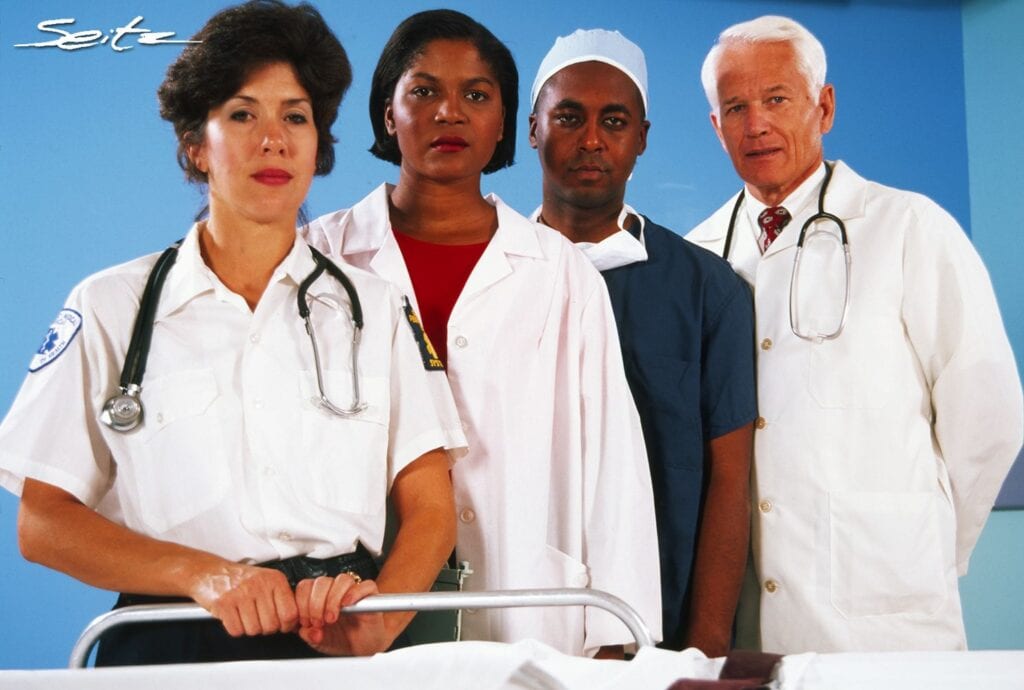
- Stage medical photography scenes even without access to an actual hospital.
At the same time, my photography assistant learned that a local manufacturer, Armstrong Flooring, had set up a model hospital nurse’s station, with actual hallways and rooms that could showcase their linoleum products. We called to see if we could use the space to bring in a model doctor, nurse, parents and a child for a photo shoot and they gave us permission.
This made things much easier. I knew that I couldn’t take photos in an actual hospital without navigating miles of red tape to gain the hospital’s and physicians’ permission. In addition, good photos usually required extra lighting, and the Armstrong showroom could easily accommodate that gear.
- It’s important to follow rules protecting patient privacy, and also practice good etiquette: ask first before taking photos, and get signed model releases to ensure the photos can be used widely.
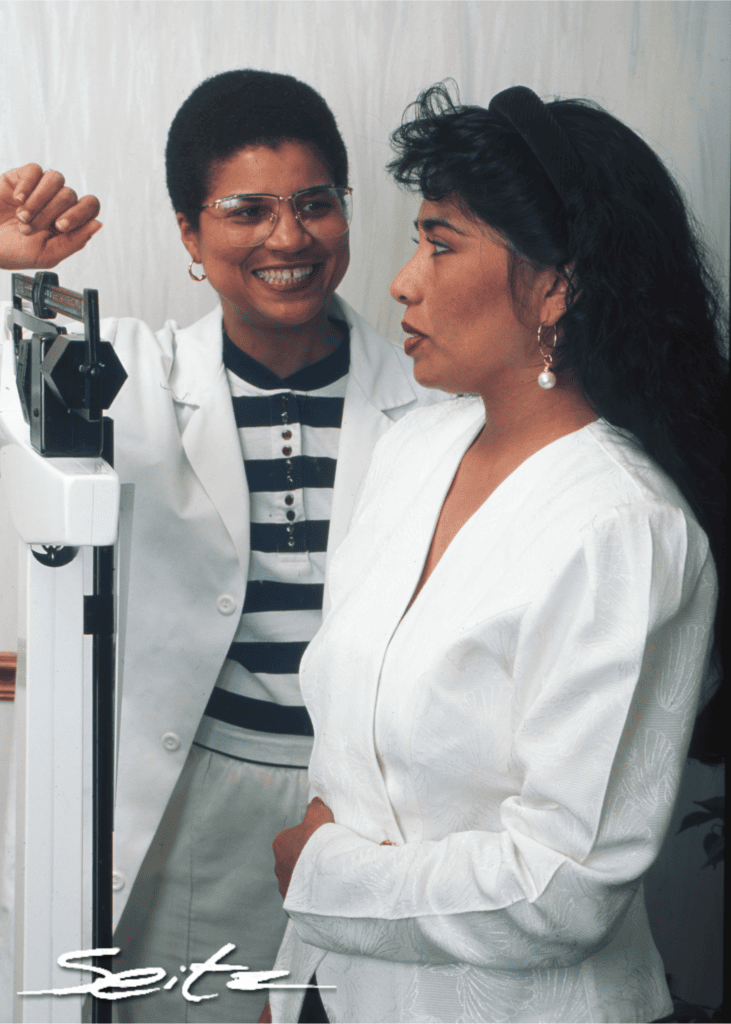
At the Armstrong model “hospital,” we asked the models to roleplay nurse and doctor interactions, depicting the husband in a wheelchair greeting his young sons and a mother with son getting a TB test and other scenes. We paid the models and asked them to sign model releases for the photos, which made them more valuable for different publications and purposes.
- Use personal contacts to access Pennsylvania hospitals, labs, and patient rooms for medical photography.
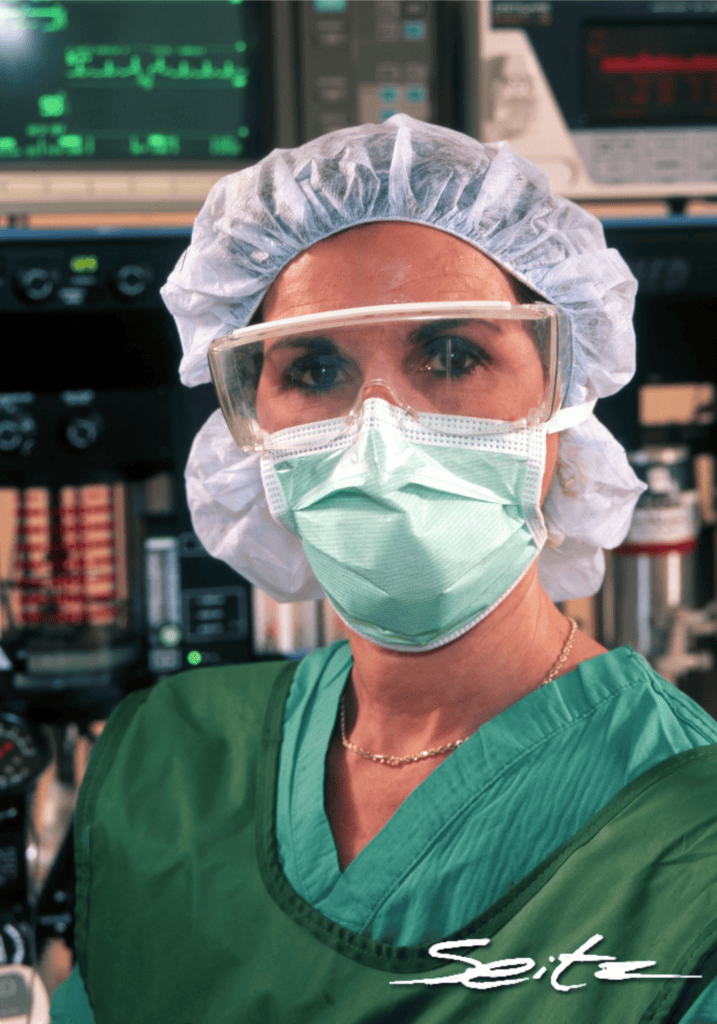
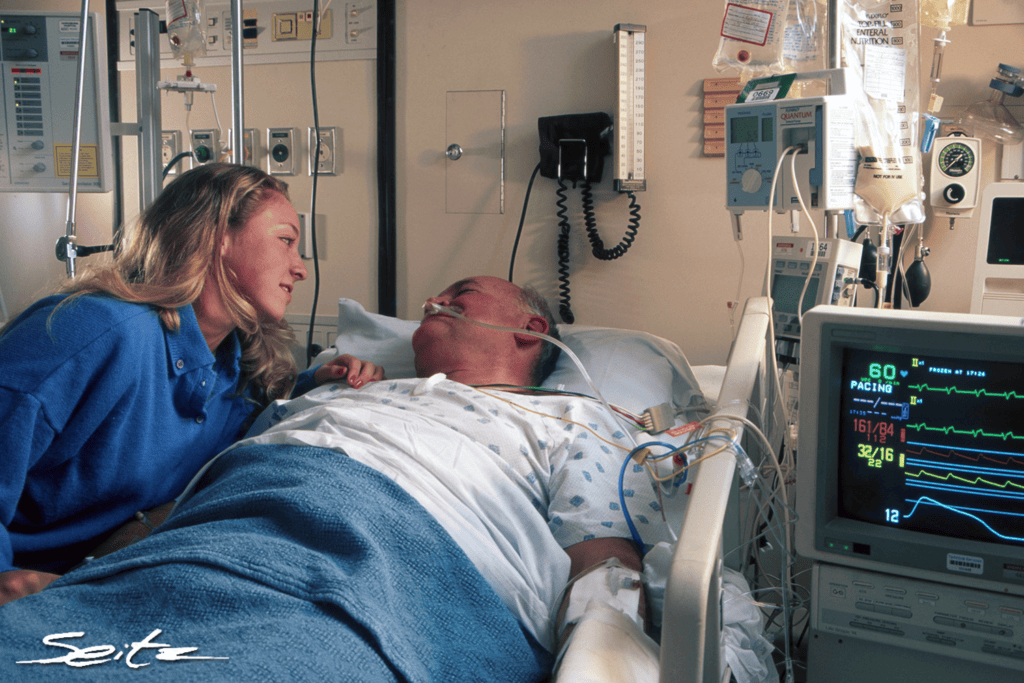
Sometime later, I learned to know the operations manager at the hospital. He was very helpful in allowing us to photograph an unused ICU and patient’s rooms, and engaged members of the hospital staff to work with our paid “patient” models for a few minutes at a time. One of these photos, this one taken in the ICU, became my most leased medical photo.
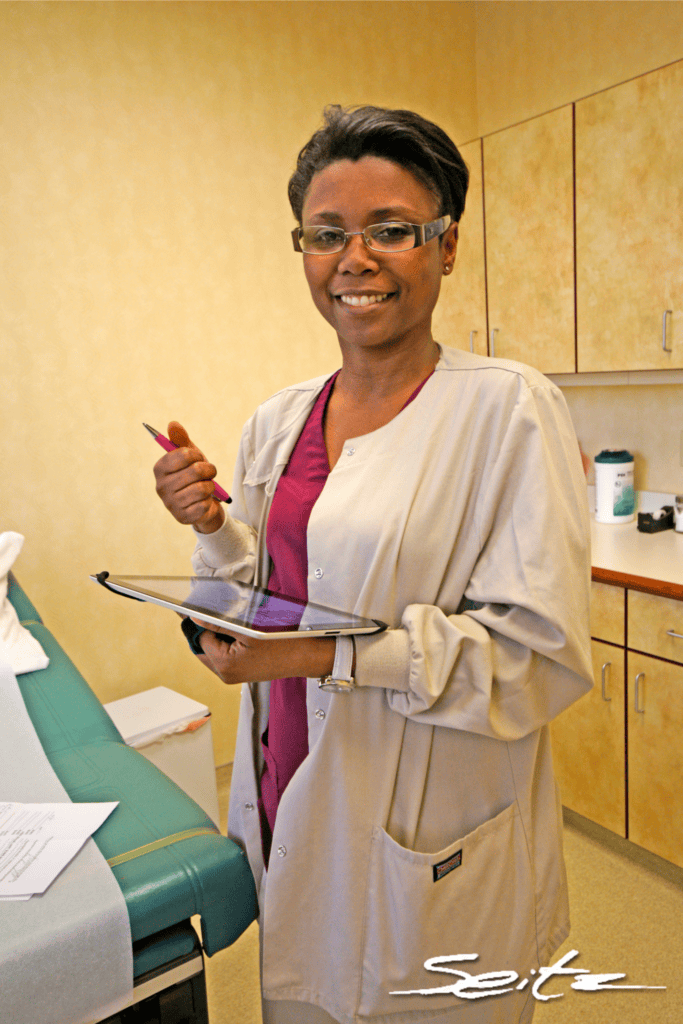
Recently, I had a personal appointment with a specialist doctor and nurse and noticed an opportunity to photograph the nurse using an iPad, which was a new phenomenon at the time. She consented to photos that could be used in a medical publication. To maintain a strong portfolio, it is important to make sure the devices you are featuring don’t appear outdated (along with hairstyles, clothing, and scenery).
- Take a lot of photos, from different angles. Try to think of all the possible uses of a certain scene before you stage it in order to get the most out of your planning.
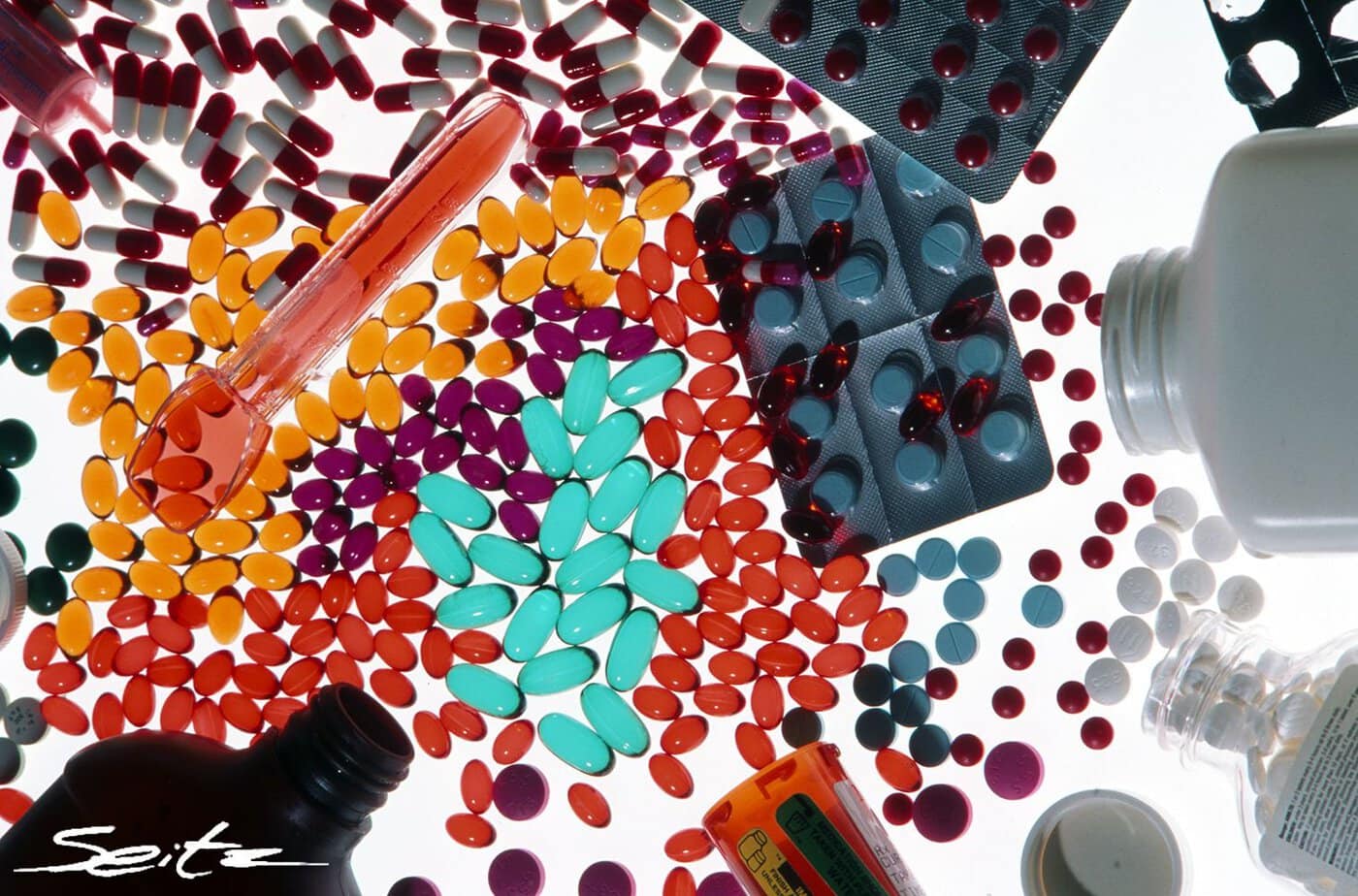
Medical brochures often rely on versatile stock photography of healthy youth and adults doing exercise and activities such as running, biking, or swimming. These were other model-released scenes I set out to photograph. They also use medical concepts, like photos of colorful pills. Slowly, my portfolio of medical photographs grew in size and variety—and some of them continue to sell, decades later.
Whatever you photograph, have a user in mind. Make sure you leave space in the photo for text to appear in a brochure or magazine. And get started: it takes time to build a strong medical portfolio. At the same time, this type of work can be deeply rewarding.
To see examples from my medical photography portfolio in Pennsylvania, visit my stock images gallery. If you see an image in our files that is not high-resolution, we can easily scan it and make it available to you.