
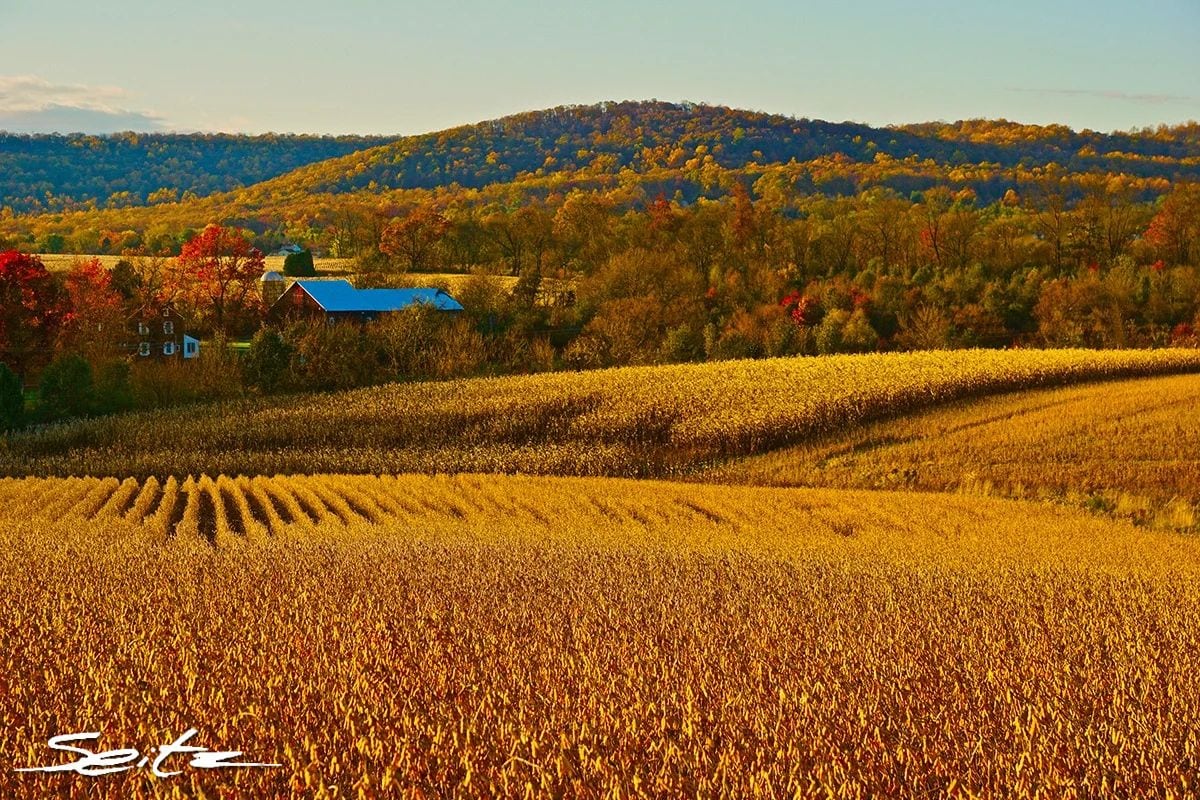
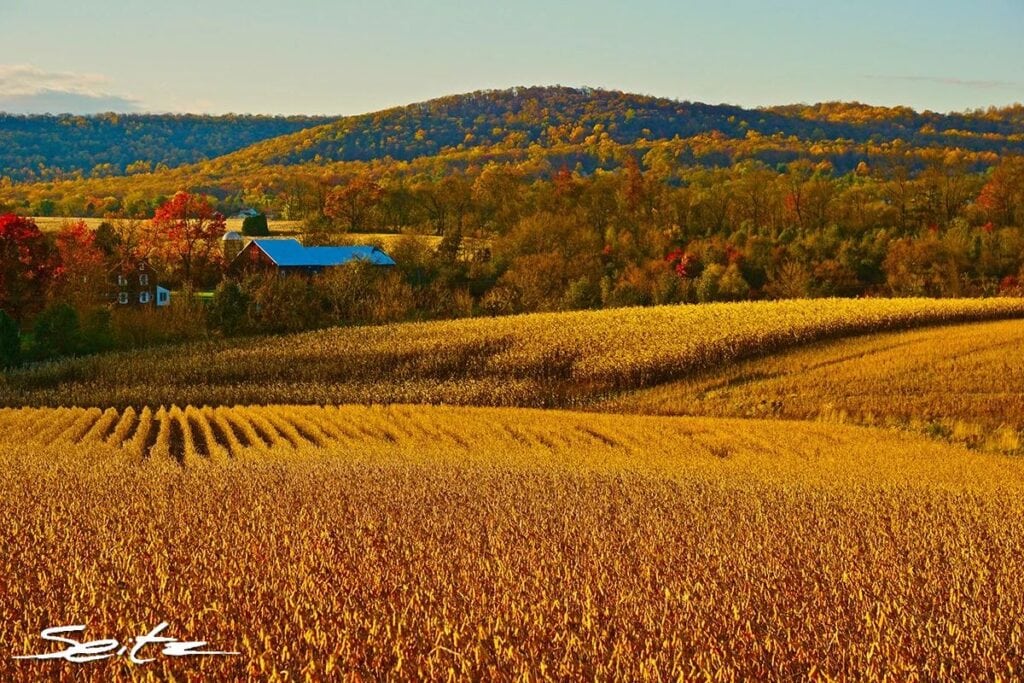
Harvest time is a jubilant period. For farmers, especially in low-income countries, the success of their plantings—rice or corn, for example—will determine whether they have enough to eat for the coming year. Festivals and dance often accompany these celebrations.
For farmers in the United States or other temperate climate countries, drought or too much rain can mean loss of income. They may need to take out bank loans for next year’s seeds and fertilizer. This situation makes harvest photos a critical concern for financial planning.
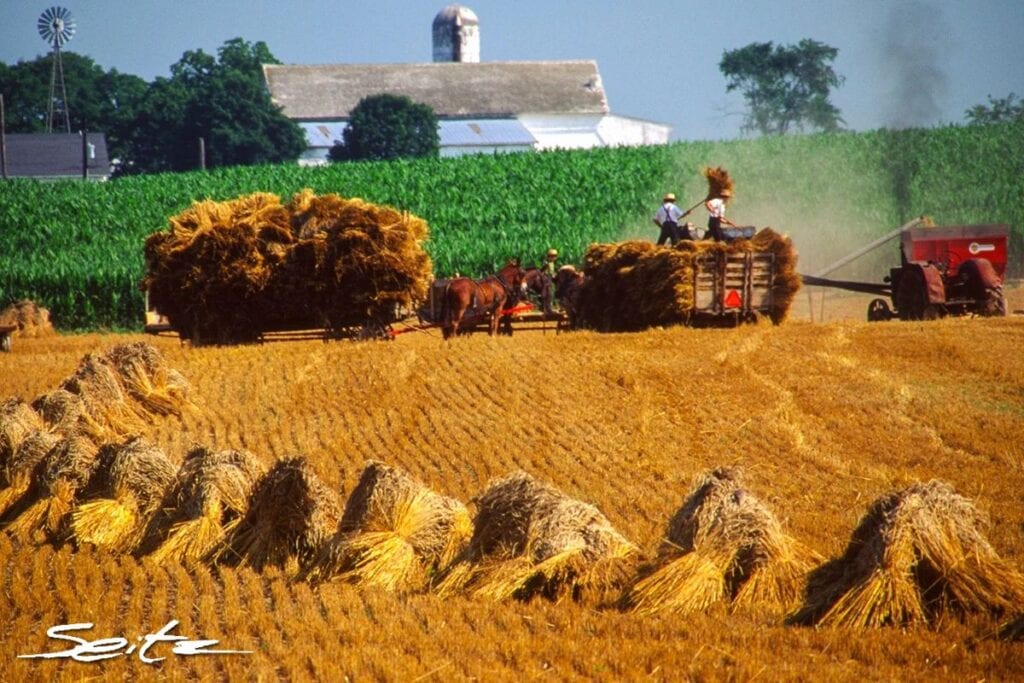
thrasher, Lancaster, Co. Pennsylvania ©Blair Seitz
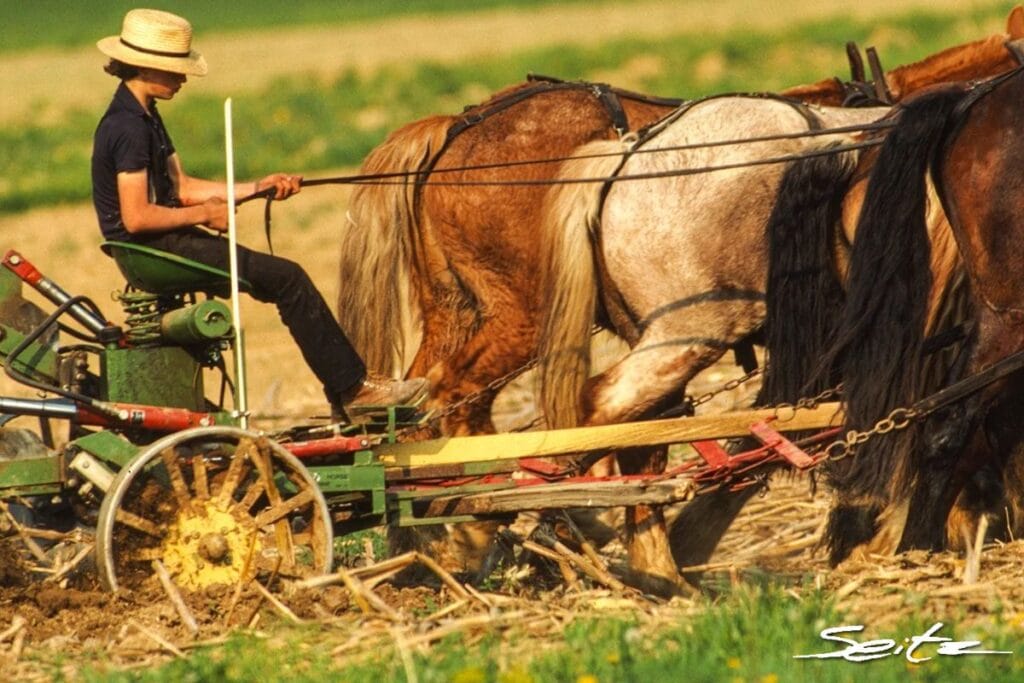
Across Asian countries, including the Philippines and Laos where I worked, rice serves as the staple food throughout households and daily meals. There, in Laos, I took photos of rice and lettuce harvests for study during fieldwork across local communities.
In the U.S., the Amish grow sweet corn they pick daily during harvest season for their main meals. A bountiful yield brings gratitude at meals, and a good harvest of field corn will feed their livestock for the coming year without having to buy extra feed.
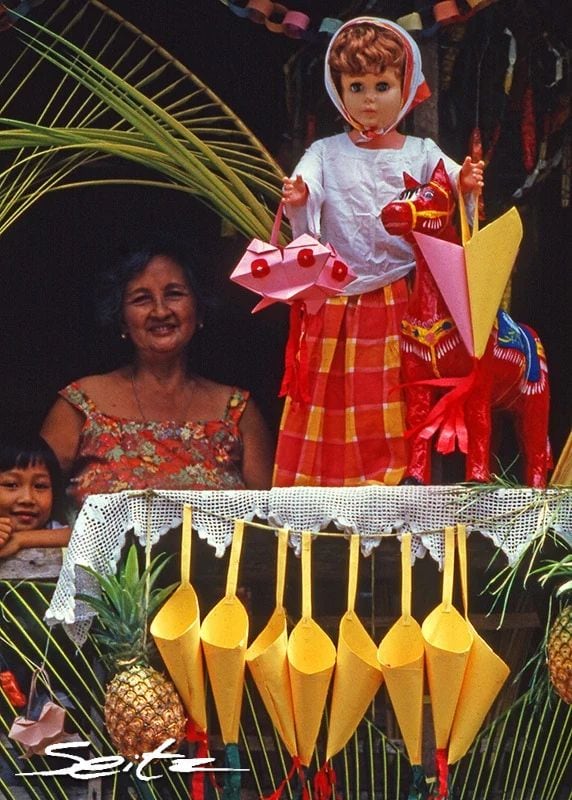
Harvest Festival celebrations in Taal, Philippines ©Blair Seitz
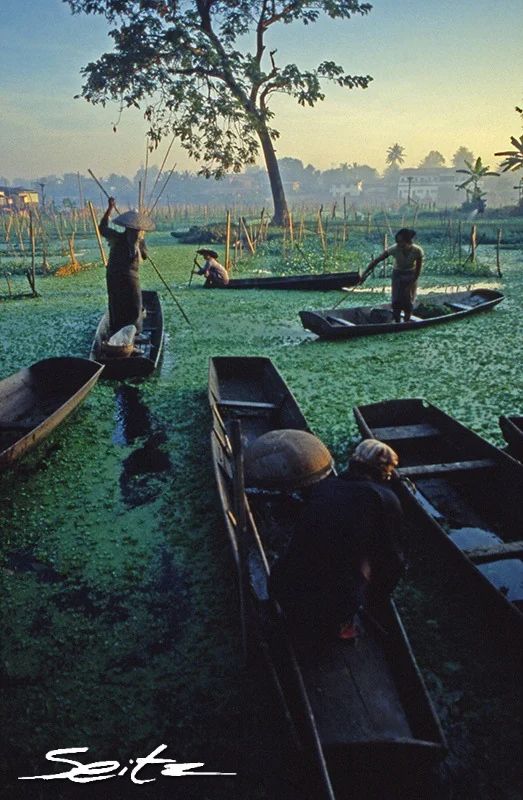
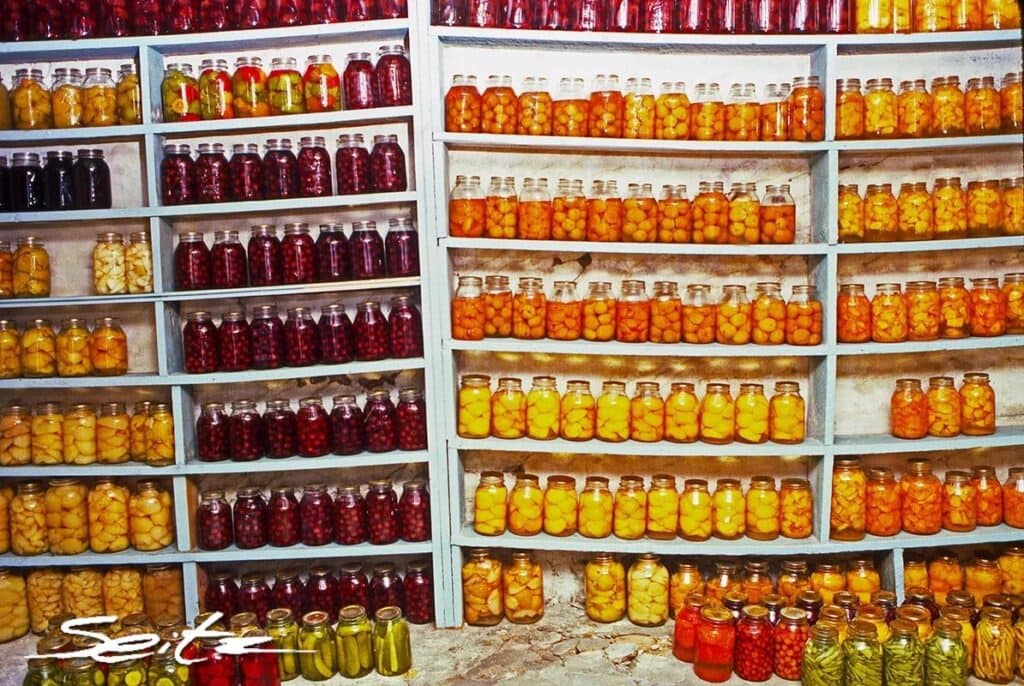
Some produce is canned and put in a canning cellar or frozen and refrigerated for eating during winter months in temperate climates.
While this requires processing effort during the busy harvest, families have the satisfaction of eating garden foods year-round.
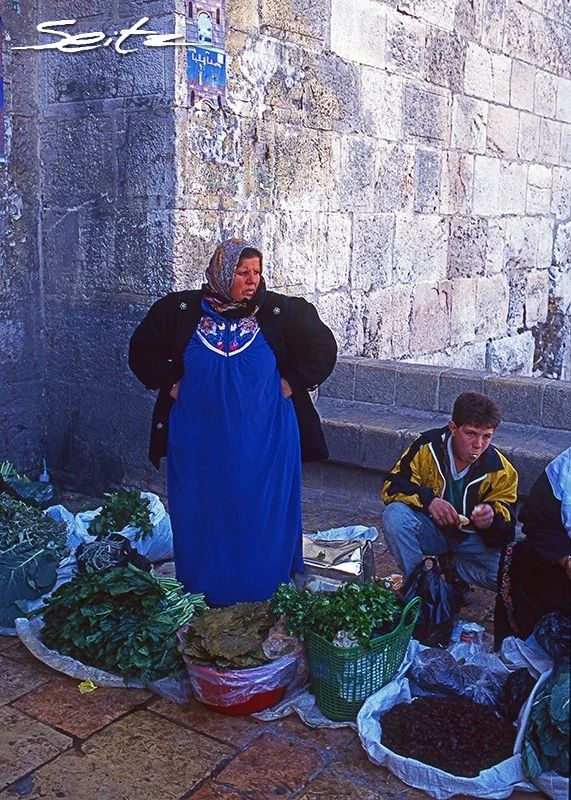
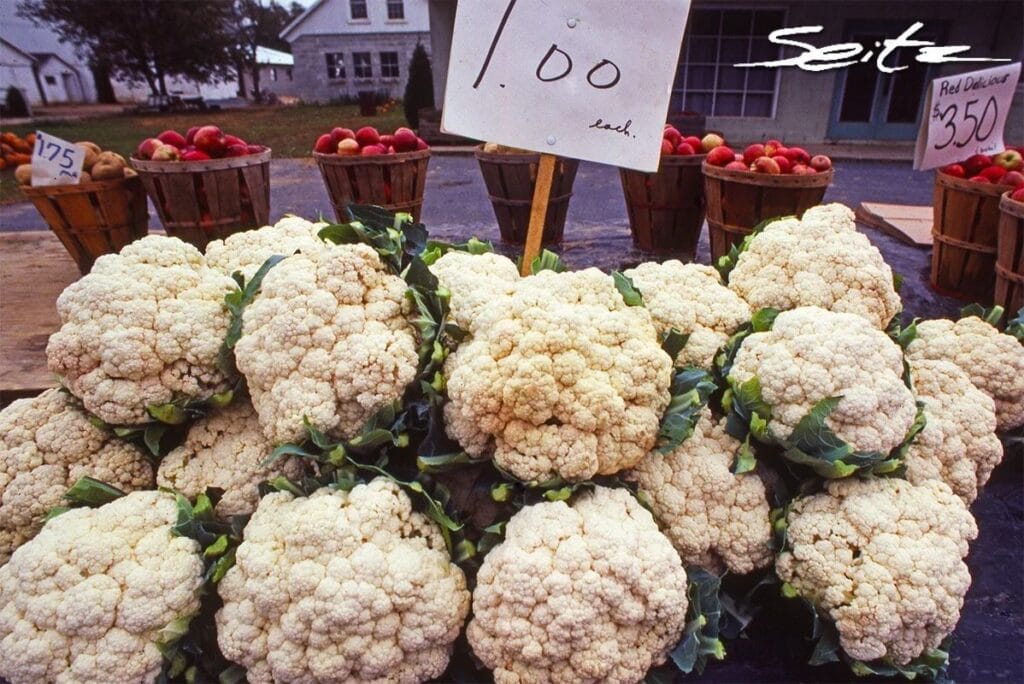
Often excess produce is planned for sale at roadside stands to earn extra cash.
For many families, this is an important source of income that supports daily needs and local markets.
It also provides a chance to harvest photos of the season and share their work with the community.

15% off now at Fine Art America!